The Psychology of Gambling
Gambling is not merely a game of chance; it is deeply rooted in psychological principles that influence players’ behavior. Casinos exploit these psychological triggers to enhance their profitability and keep players engaged. For instance, the thrill of potential wins, combined with an understanding of how casinos operate, including the presence of non gamstop casino, contributes to the emotional highs and lows that impact how individuals approach gambling.
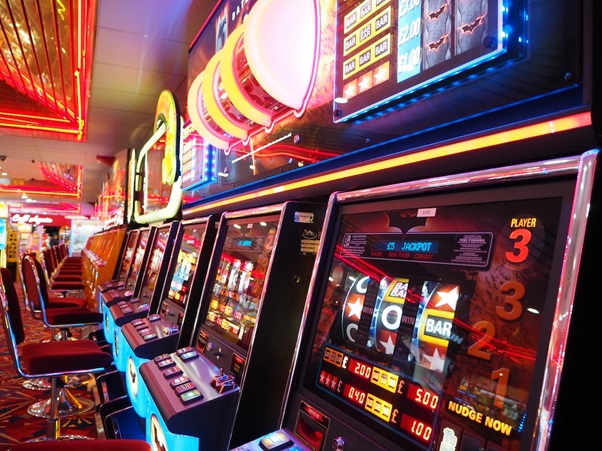
Cognitive biases, such as the illusion of control and the gambler’s fallacy, play significant roles in shaping gambling habits. Players often believe they can predict outcomes based on previous wins or losses, which can lead to increased betting and more immersive experiences in the casino environment.
The Design of Casinos
The layout and design of casinos are meticulously planned to optimize player engagement. Bright lights, vivid colors, and enticing sounds work together to create an exhilarating atmosphere that encourages longer stays and more spending. The absence of windows or clocks further disorients players, making them lose track of time.
This immersive environment fosters a sense of excitement and urgency, often nudging players toward impulsive decisions. The strategic placement of popular games near cashiers or high-traffic areas ensures that patrons are continually tempted to play more, thereby increasing the likelihood of repeat gambling sessions.
Rewards and Loyalty Programs
Many casinos employ loyalty programs that reward frequent players with points, bonuses, and exclusive offers. These programs are designed to create a sense of belonging and appreciation, encouraging players to return and gamble more to earn rewards. The psychological principle of reciprocity plays a significant role here, as players feel compelled to reciprocate the casino’s generosity.
Additionally, these rewards can create a cycle of gambling that is difficult to break. As players accumulate points, they may increase their wagers to reach the next tier of rewards, reinforcing their gambling habits and often leading to greater financial risks.
The Role of Advertising and Marketing
Casinos invest heavily in advertising and marketing strategies to entice potential gamblers. The use of catchy slogans, glamorous imagery, and celebrity endorsements creates an alluring narrative around gambling. Promotions like free play or no-deposit bonuses serve as bait, attracting new customers and encouraging them to take the plunge.
Moreover, social media platforms further amplify the reach of these marketing efforts. By showcasing the lifestyle associated with gambling, casinos tap into the aspirations of individuals, making the idea of gambling not just a pastime but an exciting venture that promises thrills and rewards.

Support Resources for Gambling Concerns
Understanding the mechanisms through which casinos influence gambling habits is crucial for individuals seeking to make informed choices. It is essential to recognize when gambling becomes problematic. Resources are available for those who may struggle with their gambling behavior, offering support and guidance to foster healthier habits.
Websites dedicated to providing information on gambling addiction, recovery strategies, and counseling services are invaluable. They create a compassionate space for individuals to find help, enabling them to navigate the complexities of their feelings and experiences related to gambling.